
7 MEP MISTAKES IN NIGERIA
Nigeria’s construction industry is growing fast. However, many building projects still exceed their budgets. In many cases, this happens because Mechanical, Electrical, and Plumbing (MEP) systems were not properly planned from the beginning.
MEP systems are important in every building. These include residential apartments, offices, hotels, hospitals, and industrial facilities. When these systems are poorly designed or not properly coordinated, projects often face delays, extra costs, safety risks, and long-term operational problems.
At Chrelect MEP Limited, we have seen how avoidable MEP mistakes can increase project costs. Therefore, developers and project owners must pay close attention during the planning stage.
7 MEP Mistakes That Increase Building Costs in Nigeria.
1. Poor Electrical Load Planning
One major mistake is underestimating electrical load requirements.
Without proper load analysis:
- Power systems may become overloaded.
- Equipment lifespan may reduce.
- Energy consumption may increase.
- Frequent power trips may occur.
- Future expansion may become difficult.
As a result, a building may later require complete rewiring or panel upgrades. This can significantly increase project costs.
Therefore, proper electrical engineering should include:
- Transformer sizing
- Cable sizing
- Distribution planning
- Backup power integration
When these are handled early, the building performs better and becomes easier to expand in the future.
2. Incorrect HVAC System Sizing
Another common issue is using HVAC systems that are either too large or too small.
For example, an oversized HVAC system can:
- Waste energy
- Increase operational costs
- Create uneven temperature control
On the other hand, an undersized system may:
- Struggle to cool the building
- Break down frequently
- Reduce occupant comfort
Because of this, proper HVAC design is very important. Engineers must consider:
- Building orientation
- Occupancy levels
- Heat load calculations
- Ventilation requirements
- Equipment efficiency
As a result, a properly sized HVAC system improves comfort while reducing energy costs.
3. Lack of Coordination Between Engineering Trades
Many construction projects face problems because electrical, plumbing, HVAC, and architectural teams work separately.
Consequently, this can lead to:
- Pipe clashes
- Cable routing problems
- Ceiling congestion
- Construction rework
- Project delays
For instance, an HVAC duct may occupy space already assigned to electrical or plumbing systems.
To avoid this, MEP coordination should happen during the design phase. This helps identify conflicts before construction begins.
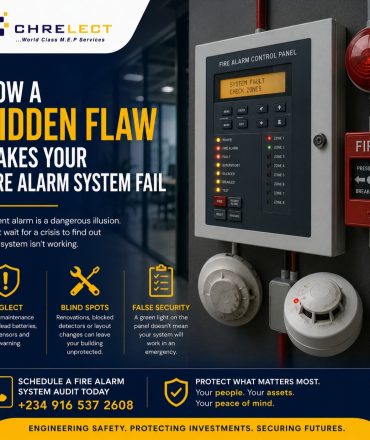
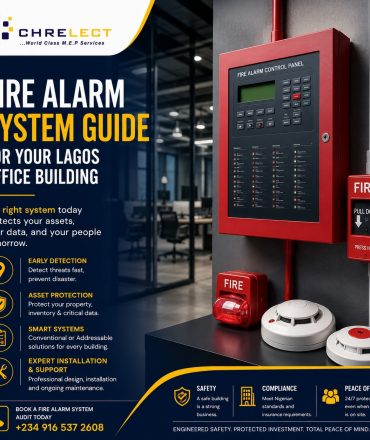
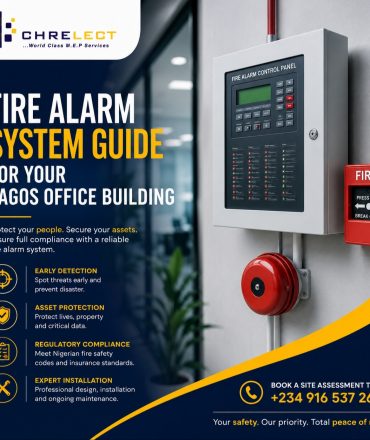
4. Ignoring Fire Protection Systems Until Late Stages
Fire protection should never be treated as an afterthought.
However, many developers install fire alarm systems, sprinklers, or suppression systems after major construction work is already completed.
As a result, projects may experience:
- Ceiling damage
- Additional piping work
- Redesign costs
- Delayed approvals
- Higher installation expenses
Therefore, early fire protection planning is essential. It helps ensure safety compliance while protecting lives, equipment, and property.
5. Choosing Low-Quality Materials to Reduce Initial Costs
Some developers choose cheaper electrical cables, piping materials, or HVAC components to reduce upfront expenses.
Although this may save money initially, it often leads to bigger problems later.
Low-quality materials can cause:
- Equipment failures
- Water leaks
- Electrical faults
- Fire hazards
- High maintenance costs
In contrast, quality materials provide better durability and long-term performance. They also reduce repair and replacement costs over time.
6. Poor Maintenance Accessibility
Many buildings are designed without considering future maintenance access.
For example:
- Valves may be hidden without access points.
- Electrical panels may be difficult to reach.
- HVAC equipment may be placed in tight spaces.
Because of this, maintenance becomes more expensive and time-consuming. In some cases, repairs may even disrupt building occupants.
Therefore, a good MEP design should balance:
- Functionality
- Aesthetics
- Easy maintenance access
This helps ensure smooth operation throughout the building’s lifespan.
7. Failure to Plan for Energy Efficiency
Energy costs in Nigeria continue to rise. Therefore, energy-efficient MEP design is now more important than ever.
Buildings without energy-efficient systems often experience:
- High electricity bills
- Poor system performance
- Increased operating costs
To improve efficiency, developers can include:
- Smart lighting systems
- Building automation
- Efficient HVAC technologies
- Power monitoring systems
- Motion sensors
- Solar integration
In addition, modern MEP engineering focuses on sustainability and intelligent building performance, not just installation.
Final Thoughts
A properly designed MEP system is not just an expense. Instead, it is a long-term investment in safety, efficiency, durability, and cost savings.
In many buildings today, expensive problems happen because of poor decisions made during the design stage. However, working with experienced MEP professionals can help reduce risks and improve project performance.
At Chrelect MEP Limited, we provide innovative and cost-effective MEP solutions for modern buildings across Nigeria.
Whether you are planning a new development, renovation, or facility upgrade, proper MEP engineering can help transform your building into a safer, smarter, and more efficient space.